
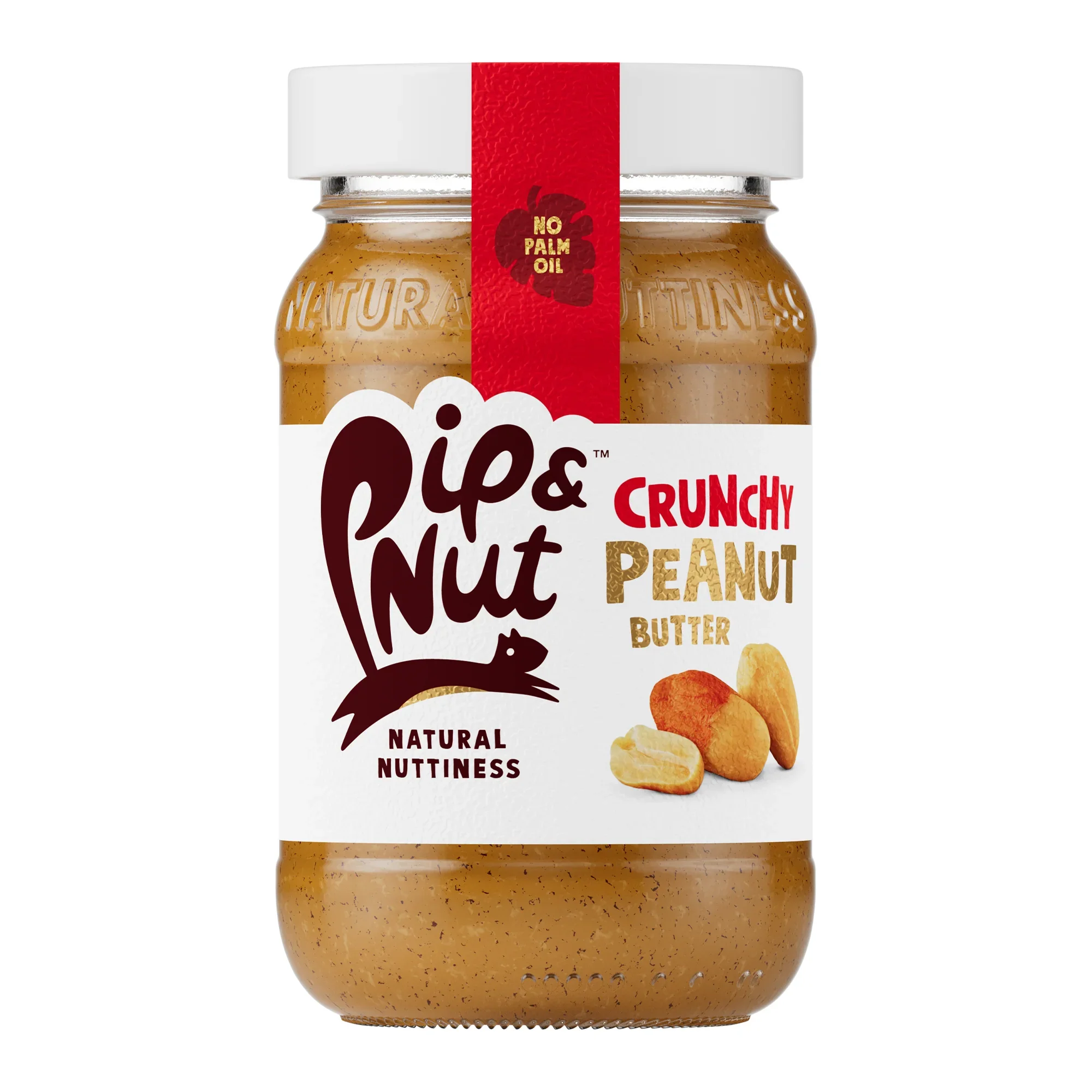
Pip and Nut case study

Case Study: From Kitchen Table to Market Leader. The Pip & Nut Story

Following on from the Lucky Saint story, here’s another inspiring case study of an entrepreneur who created a successful UK supermarket brand - Pip & Nut.

When Pippa Murray was training for the Paris Marathon in 2013, she faced a frustrating challenge. As a regular runner, she wanted healthy, natural nut butter to fuel her training. But every product in supermarkets contained palm oil and added sugars. The healthier alternatives looked bland and uninspiring. So, like many successful entrepreneurs before her, she decided to make her own.

Fast forward to 2025, and Pip & Nut has become the UK's number one nut butter brand. With a 15.8% market share, she's overtaken long-established competitors. Now, she's generating over £35 million in retail sales. It's a remarkable journey from market stall to market leader. It offers valuable lessons for aspiring entrepreneurs.

The Problem That Started It All

Murray's frustration with existing nut butter products wasn't just about taste. Palm oil, used as an emulsifier in most nut butters, has significant environmental consequences. It's native to South America and is one of the primary causes of deforestation and habitat loss. It pushes many species toward extinction.

But it wasn't just the palm oil that bothered her. The products claiming to be healthier looked worthy and dull. They perpetuated the myth that healthy food had to be boring. Murray wanted a cleaner product without added ingredients. But also an exciting brand that would innovate.

What's interesting about Murray's story is that she had no experience in food and drink. She worked as a theatre producer at the Science Museum, creating shows that toured around the UK. She studied anthropology at university, expecting to pursue a career in the creative arts. Yet this lack of industry experience became an unexpected advantage.

"The naivety let me ask the stupid questions that no one else had thought to ask," Murray later reflected. Questions like "Do we need to use palm oil?". This may seem obvious to consumers. But within the industry, such ingredients had become standard practice.

From Kitchen Experiments to Market Validation

Like many food entrepreneurs, Murray started experimenting in her kitchen. She spent her weekends blending nuts with sea salt. She created simple, natural nut butters with innovative flavour combinations. Rather than immediately seeking investment or trying to scale up production, she did something crucial. She tested her products with consumers.

In 2013, Murray began selling her homemade nut butters at Maltby Street Market in Bermondsey, London. This market testing was invaluable, providing instant feedback and confidence. Customers returned, giving her the buzz and incentive to keep pushing forward.

Customer interaction taught Murray an important lesson that would shape her business philosophy. You can have a great brand, but if the product isn't good enough, you'll never gain traction. The market stall became her laboratory for product development. Her first proof of concept.

The Long Road to Launch

Murray spent two full years setting up the business before launching. It wasn't simply a case of making nut butter in her kitchen and seeing what happened. Behind the scenes, she was conducting thorough research. Identifying her target consumer. Analysing whether the category was growing or declining. Studying trends suggested that protein and nut butters were gaining momentum.

Murray also won a crucial competition through Escape the City. It gave her rent-free office space to work on her business. It allowed her to escape the intensity of living and working in the same space.

One of the biggest challenges Murray faced was finding a manufacturer. Because nuts are a common allergen, many factories were hesitant. The search took eight months, and at times Murray thought she would have to give up. But persistence paid off, and she eventually found a factory willing to take a chance on her.

Breaking Into Retail

Before launching, Murray needed capital. She raised £120,000 from 80 investors through Crowdcube in nine days, combined with a £5,000 loan from her parents. This crowdfunding approach not only provided the necessary capital. It created a community of supporters invested in the brand's success.

When Pip & Nut officially launched in January 2015, Murray secured listings in both Selfridges and Sainsbury's. Getting a supermarket listing in the first year was something they never dreamed of. The Sainsbury's listing proved particularly pivotal. The buyer immediately understood and believed in the product.

The growth that followed was extraordinary. In 2016, just one year after launching, Pip & Nut experienced 400% annual growth with revenues topping £3 million. By 2016, the brand was stocked in over 2,300 stores. Today, the brand is available in over 6,000 locations across the UK. And it's expanding into European markets.

Navigating Challenges

Success didn't come without setbacks. Just two years into the journey, Murray faced a product recall. The experience involved significant financial implications, furious buyers, and panicked consumers. It was a crisis that tested her resilience and forced her to dig deep.

Rather than trying to handle it alone, Murray turned to a mentor who shared his own horror stories. This support helped her feel less isolated and more philosophical about the challenge. She learned valuable lessons about resilience and her own capabilities. She now approaches business problems with greater calm. Nothing could be as difficult as that early crisis.

Murray has also been open about experiencing imposter syndrome in the early days. She had to sell herself to investors, factories, and manufacturers. Without a business background, she felt she had to prove herself constantly. Her advice to other entrepreneurs? Remember that without you, your business wouldn't exist. You might not know everything about marketing or supply chains. But you know the most about your own business.

Building a Values-Driven Brand

From the beginning, Pip & Nut wasn't just about making nut butter. The commitment to avoiding palm oil was rooted in genuine environmental concern. In 2019, the company achieved B Corporation certification. She'd joined a business community committed to high social and environmental standards. Murray has since joined the board of trustees at B Lab, the nonprofit network behind the B Corp movement.

The brand's sustainability commitments extend beyond palm oil. Pip & Nut became the first nut butter brand to join the Sustainable Agriculture Initiative platform. The gold standard for food and beverage value chains, accelerating regenerative agricultural practices. They've committed to 100% transparency with single-origin nuts, ensuring traceability.

In 2025, the company formalised its charitable giving by establishing The Pip & Nut Foundation. It directs 10% of profits to organisations tackling hunger and loneliness in local communities.

Innovation and Expansion

While nut butters remain the core product, Pip & Nut has expanded. The brand has introduced nut milks and squeeze packs. More recently, it has introduced snack bars and cereal bars. Each product extension maintains the brand's commitment to natural ingredients and no palm oil.

The company has also expanded geographically. It gained a foothold in Belgium by acquiring a small nut butter company at the end of 2024. This international growth demonstrates Murray's ambition to take the brand beyond UK shores.

In November 2025, Pip & Nut launched a bold new packaging design to mark the next phase of growth. Developed with long-term partner B&B Studio. The redesign aims to attract new shoppers. To make nut butter a more regular fixture in household shopping baskets.

Key Lessons for Entrepreneurs

Murray's journey offers several valuable insights for aspiring entrepreneurs:

Start with genuine consumer insight. Murray's business began with a real problem she experienced as a consumer. She wasn't creating a product looking for a market. She was solving a problem she knew others shared.

Test before you scale. The market stall phase was crucial for getting direct feedback and building confidence. This validation came before significant investment in manufacturing and distribution.

Persistence is essential. It took eight-months to find a manufacturer. It was a challenge to secure retail listings. Murray's story demonstrates that perseverance through obstacles is vital

You don't need industry experience. Her outsider perspective allowed her to question industry norms. Sheidentified opportunities that insiders might have missed.

Build values into your business from day one. The commitment to avoiding palm oil wasn't added later for marketing purposes. It was fundamental to why the business existed. This authenticity has resonated with consumers and created genuine differentiation.

Seek support and mentorship. When facing major challenges like the product recall, Murray turned to mentors. No entrepreneur succeeds entirely alone.

The Current Picture

Today, Pip & Nut stands as a testament to what's possible. A perfect blend of genuine consumer insight, quality products, and persistent execution. The brand achieved 33% turnover growth in 2024. It overtook Whole Earth to become the category leader.

The company has also achieved underlying profitability and continues to invest in growth. The brand now reaches 1.6 million UK households. It aims to expand its product range and geographic footprint.

Murray remains as founder and CEO. She's deeply involved in the business she started at her kitchen table. Her journey demonstrates that entrepreneurship is accessible to anyone. You need the right combination of consumer insight, persistence, and willingness to learn.

For aspiring entrepreneurs, the Pip & Nut story offers an inspiring roadmap. It shows that you don't need decades of industry experience, an MBA, or massive initial capital. What you need is a genuine understanding of a consumer problem. The courage to pursue your solution. The resilience to persist through inevitable challenges.

In this industry, many startups fail within the first few years. Pip & Nut has not only survived but thrived. Growing from a one-person operation to become the UK's number one nut butter brand in just over a decade. That's a success story worth studying.