
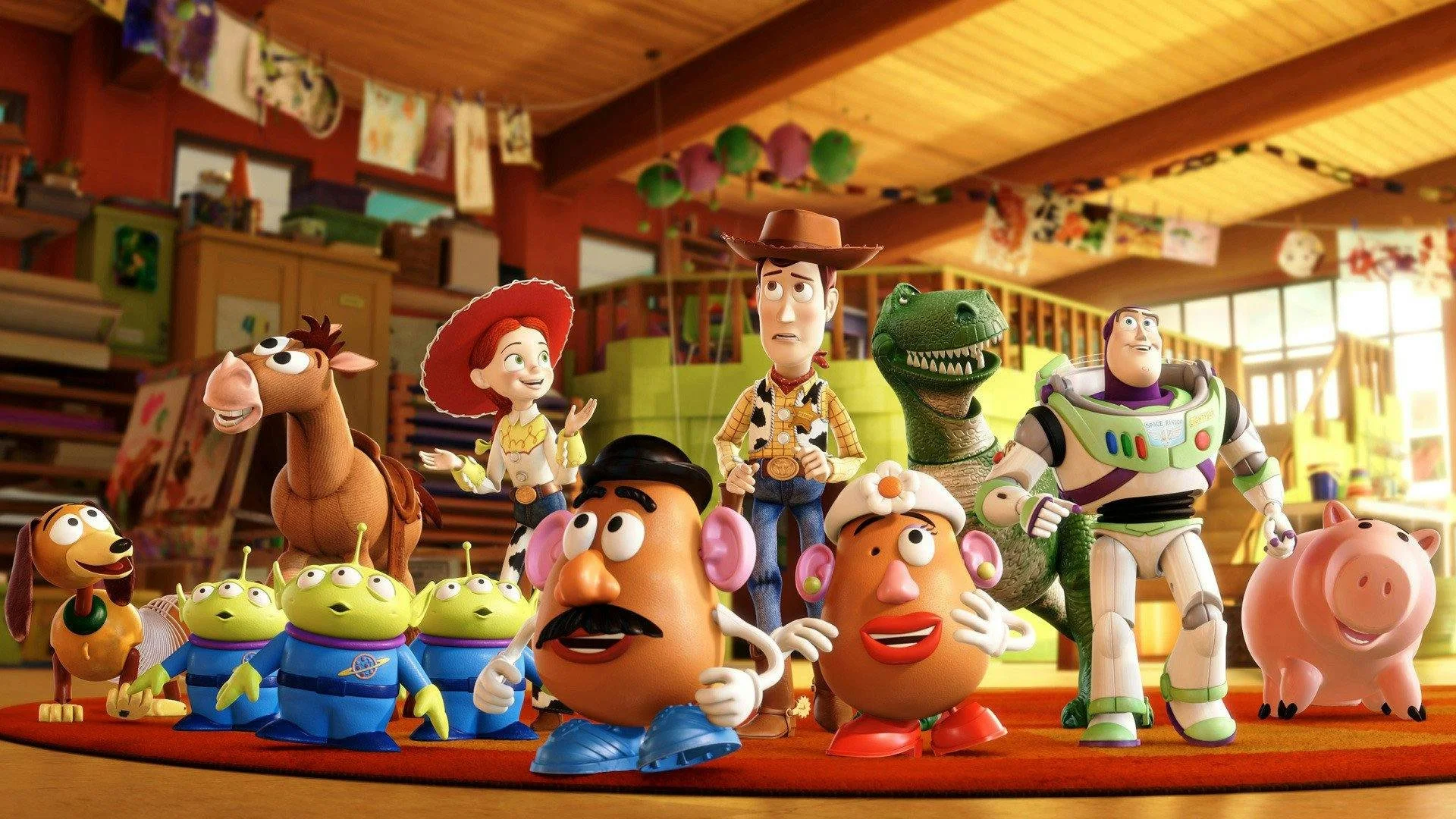
the Pixar animation culture

Pixar's Entrepreneurial Culture: Where Creativity Meets Innovation

As a follow-up to the post on Building an Entrepreneurial Culture, here’s a case study of an organisation which has worked hard on creating its own unique culture - Pixar Animation Studios.

In the competitive world of animation and entertainment, one company defies the odds. It produces hit after hit while maintaining a reputation as one of the most innovative workplaces in the world. Pixar Animation Studios hasn't just created beloved films like Toy Story, Finding Nemo, and WALL-E. (My favourite has always been The Incredibles.) It has built an entrepreneurial culture that turns creative risk-taking into box office gold. It transforms talented individuals into collaborative innovators.

What makes Pixar's approach fascinating is that it challenges conventional corporate wisdom. Pixar has built its success on trust and experimentation. It believes that great ideas emerge from empowered teams rather than top-down mandates.

How does Pixar foster this spirit?

The Foundation: People Over Ideas

At the heart of Pixar's entrepreneurial culture lies a counterintuitive principle. People are more important than ideas.

In filmmaking, creativity involves people from different disciplines. They work together to solve many problems. A movie contains tens of thousands of ideas. The initial concept is less important than having the right team to develop it through countless iterations.

This people-first philosophy manifests in concrete ways. Co-founder Ed Catmull has a policy of hiring people smarter than himself. He recognises that exceptional talent not only innovates. It creates a culture in which others strive to meet that standard. This approach builds organisational capability. It does not depend on a few visionary leaders to generate all the breakthroughs.

Embracing Failure as Learning

One of Pixar's most distinctive cultural elements is its relationship with failure. In most corporate environments, failure carries stigma and consequences. At Pixar, failure is an essential component of the creative process. A film might go through eight or nine creative rounds to optimise the concept. Or, in some cases, scrap it altogether.

The key lies in how failure is framed. New ideas generated at the beginning often fail. But because they expect it and everyone's been through it, they aren't considered failures. This normalisation removes the fear that paralyses innovation in many organisations. Team members know that experimentation is expected. They feel safe taking creative risks.

This isn't about passively tolerating failure. Rather, Pixar has created systems that treat failure as data. Information about what doesn't work guides teams toward what will work. This iterative process turns potential failures into learning opportunities.

The Braintrust: Innovation Through Candour

No single mechanism better exemplifies Pixar's entrepreneurial culture than the Braintrust. This feedback system has become central to how Pixar maintains creative excellence.

A director-producer team can call on a "brain trust" of other directors to review their work. But the movie director and their team can decide what, if anything, to do with the feedback they receive. The "brain trust" members have no authority to impose their feedback.

The Braintrust brings together people with deep expertise and experience. Those who have navigated the creative process themselves. They watch work-in-progress material and provide candid feedback. Crucially, they focus on identifying problems rather than prescribing solutions.

This lack of authority is what makes the system work. Directors can receive candid feedback without threat to their creative control. They're free to accept, modify, or reject the input they receive. This preserves ownership and agency. During feedback sessions, the teams acknowledge the vulnerability of people who are presenting,

The Braintrust embodies a crucial entrepreneurial principle. The best solutions emerge when smart people can speak honestly without fear of punishment or loss of control. It creates what psychologists call psychological safety—an environment where risk-taking and authentic communication are encouraged rather than penalised.

Building Creative Autonomy

Pixar's organisational structure reflects another key element of entrepreneurial culture. It places creative authority in the hands of those closest to the work. The trick to fostering collective creativity is threefold. Firstly, place creative authority in the hands of the project leaders. Secondly, build a culture and processes that encourage people to share their work-in-progress. Thirdly, support one another as peers.

This decentralisation of power runs counter to typical corporate hierarchies. Here, executives far removed from day-to-day work make critical decisions. At Pixar, the director and production team have genuine authority over their film. They receive feedback and must work within budgetary constraints. But they aren't subject to constant interference from corporate leadership.

This structure requires tremendous trust from organisational leadership. Trust that talented people, given the right support, will make good decisions. It also needs systems in place (like the Braintrust) that will help catch and correct mistakes. Before they become catastrophic. It’s a fundamentally entrepreneurial approach. It treats each film production as a startup within the larger organisation.

Avoiding the Trap of Safe Mediocrity

One insidious threat to entrepreneurial culture is the temptation to play it safe. It's tempting to copy what has succeeded before. Pixar actively fights this tendency. True innovation requires using skills in unexpected ways. It involves taking risks that might fail and pursuing ideas that aren't guaranteed to succeed.

Consider Pixar's willingness to make unconventional creative choices. Starting WALL-E with 39 dialogue-free minutes and building a film around rats preparing food, or centring a story on talking toys. Each premise carried a significant risk of being off-putting, derivative, or commercially unsuccessful. But as a result, Pixar has created films that transcend predictable formulas.

Community and Trust

Pixar builds a sense of community. Where talented people trust each other and can work well together, this emphasis on community isn't just feel-good rhetoric. It's a practical necessity for the kind of collaboration Pixar's work requires.

Animation production involves hundreds of people from different disciplines working together over the years. Without genuine trust and community, these collaborations would collapse. Pixar enables cross-functional teamwork. It invests in community building andstructures that foster collaboration.

Lessons for Entrepreneurs

What can entrepreneurs and business leaders learn from Pixar's approach?

Invest in people, not just ideas. The quality of your team matters more than the initial concept. Hire exceptional people, give them the resources and authority they need. Trust them to solve problems.

Create safety for risk-taking. Innovation requires experimentation, and experimentation involves failure. Build systems and norms that treat failure as a learning opportunity rather than as punishment. Make it safe for people to be vulnerable and try unconventional approaches.

Enable honest feedback. Create mechanisms like the Braintrust. Where people can give and receive candid input without fear. Separate feedback from authority so that receiving criticism doesn't threaten autonomy or control.

Decentralise creative authority. Push decision-making to those closest to the work. Resist the temptation to second-guess or micromanage talented people. Provide support and oversight without stifling ownership.

Embrace constraints. Rather than viewing limitations as obstacles, treat them as design challenges. They can focus and sharpen your work. Perfect freedom can be paralysing; constraints provide structure for innovation. Dust off your copy of ‘A Beautiful Constraint’ for more inspiration.

Build community and trust. Foster genuine relationships and mutual support among team members. Innovation rarely happens in isolation. It emerges from collaborative environments. Where people trust each other. So they feel able to share ideas, admit uncertainty, and solve problems together. Patrick Lencioni’s seminal book, ‘The Five Dysfunctions of a Team,’ details the role of trust as a foundation for high-performing teams.

Take the long view. Focus on building sustainable systems and culture rather than chasing short-term wins. The goal isn't to create one successful product. But to build an organisation capable of continued innovation.

Avoid the safety of imitation. Copying what has worked before might feel less risky, but it guarantees mediocrity. True innovation requires trying things that might not work. It means using your capabilities in unexpected ways.