
Patagonia is an outdoor clothing and equipment company founded in California in 1973 by Yvon Chouinard. It is a highly successful business, generating over a billion dollars in annual revenue, commanding premium prices, and enjoying strong brand loyalty. More importantly, Patagonia shows how genuine innovation can be part of a business's core strategy, not just a marketing tool or a charitable afterthought.
What makes Patagonia interesting is not that it easily combines profit and purpose. It hasn’t. The choices made in product design, supply chain, marketing, and ownership have entailed real trade-offs, revenue losses, and tough decisions. Patagonia proves that a business can commit to environmental and social responsibility while remaining profitable. This discipline fosters innovation in ways that a purely commercial focus does not.
The Founding Tension
Yvon Chouinard entered the business through climbing. His first company, Chouinard Equipment, made steel pitons for climbers. By the early 1970s, he realised that these products were damaging rock faces, so he stopped making them. Instead, he created aluminium chocks, which were less damaging to the environment, even if they were technically inferior.
This decision set the tone for Patagonia's approach to innovation. The tension between running a successful business and minimising environmental harm remains unresolved. Patagonia sees this tension as a productive challenge that leads to unique solutions.
Environmental Innovation in Product and Supply Chain
Patagonia's most significant innovations stem from its commitment to reducing environmental impact. Many have become industry benchmarks.
In 1993, Patagonia became the first apparel company to make fleece from recycled plastic bottles. This was a challenging and uncertain move, but it had a positive environmental impact. Using recycled material reduces resource use and landfill waste. This innovation required new supply chain partnerships and higher costs but resulted in a product that appealed to customers and influenced the wider industry.
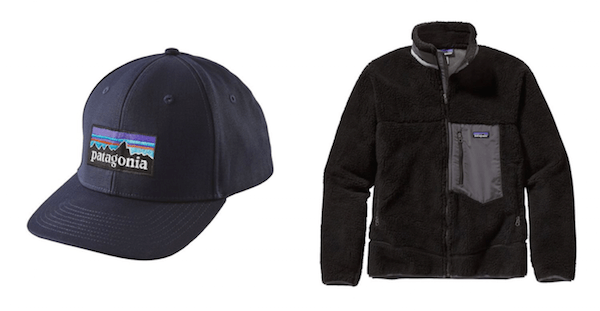
The Worn Wear programme, launched in 2013, is both a business and environmental innovation. Patagonia created a system to repair, resell, and recycle used products, establishing a secondary market for pre-owned gear. This initiative runs counter to the conventional apparel industry's focus on maximising new sales. Patagonia acknowledges that Worn Wear reduces the need for new purchases, which could hurt revenue. However, it aligns with their environmental values and strengthens customer loyalty.
The "Don't Buy This Jacket" ad, published in the New York Times on Black Friday 2011, directly asked customers not to buy a new jacket unless necessary. This counterintuitive message increased sales, demonstrating that authenticity and trust in the brand's commitment can be more effective than traditional advertising.

Organic Cotton and Supply Chain Integrity
In 1994, Patagonia decided to switch its entire cotton line to organic cotton within eighteen months. Chouinard later called this one of the toughest decisions in the company’s history. At the time, organic cotton was much more expensive, and the supply chain was underdeveloped. Patagonia wasn't sure it could find enough organic cotton, but it pressed on.
This decision came after a study revealed that conventional cotton, reliant on pesticides and synthetic fertilisers, harmed the communities where it was grown. Organic cotton was not perfect, but it was far less damaging. Chouinard felt the company had to act on this information.
This pattern of honest supply chain assessments, recognising uncomfortable truths, and changing behaviour is a key part of Patagonia's responsible innovation approach. Most companies assess their supply chains to defend their actions. Patagonia assesses to identify necessary changes.
The Ownership Decision
In September 2022, Chouinard announced he had transferred Patagonia's ownership, valued at around $3 billion, to a special non-profit trust and environmental organisation. Instead of selling or going public, he structured the transfer so that all future profits not reinvested would go to environmental causes.
This move was seen as both a philanthropic act and a governance innovation. It permanently ties the company’s commercial success to its environmental mission, preventing future owners from reversing it. Private ownership has always allowed Patagonia to take a long-term view, accepting short-term costs in service of its mission. This new structure makes that focus permanent.
The practical effects are significant. Patagonia no longer answers to shareholders focused on financial returns. Instead, it is accountable to a legally embedded mission, which allows for genuine environmental and social commitments.
What Patagonia's Innovation Looks Like in Practice
Patagonia's innovations like recycled materials, repair programmes, and organic sourcing, aren't just the result of formal R&D. They arise from a commitment to consistently ask a fundamental question: what are the real consequences of our actions, and can we find a better way?
This question drives innovation because it’s uncomfortable. It forces the company to examine its practices without defensive filters. It uncovers issues that a less honest approach might miss. This constraint, finding more sustainable solutions, encourages creative problem-solving in ways that a purely commercial focus would not.
Lessons
Constraint drives innovation. Patagonia's commitment to environmental responsibility has made it more innovative, forcing the question, ‘What else can we use?’
Authenticity is commercially valuable only when genuine. Patagonia's brand value stems from the authenticity of its commitments. A company trying to mimic its strategy without the same operational integrity will not earn the same level of trust.
Governance shapes behaviour more reliably than culture. Chouinard's ownership transfer acknowledges that good intentions alone aren't enough for long-term mission alignment. Legal and governance structures provide more durability.
The long view is a competitive advantage. Patagonia's willingness to accept short-term costs for long-term mission alignment has built a brand, customer loyalty, and product quality that rivals can't match.
Summary
Patagonia does not provide a one-size-fits-all template for businesses. Its unique ownership structure, founder's values, and market position mean that others can't easily copy its model. However, Patagonia shows proof - fifty years' worth - that responsible innovation can coexist with profitability. Taking environmental and social impacts seriously can lead to a real competitive advantage. This evidence is important because some still argue that being responsible and successful in business don’t mix, and that claim lacks strong support.