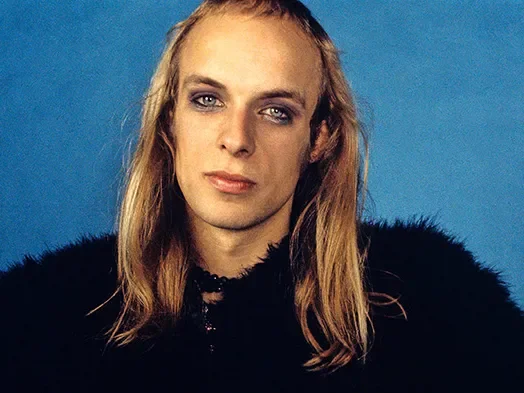
In 1975, Brian Eno was recovering from a car accident in his London flat. A friend visited and, before leaving, put on a record of eighteenth-century harp music. The volume was set too low. Eno, stuck in bed and unable to get up and adjust it, could barely hear the music over the rain against the window.
Most people would have found this annoying. Eno found it interesting.
He lay there and listened. Some passages barely reached him, and he began to wonder what the music was doing at the edge of attention. What did it mean for sound to be part of an environment rather than its focal point?
From that question, Eno gave a genre its name and its philosophy: ambient music. Today it’s all around us, from meditation apps to airport terminals to therapy rooms. It came from a man too unwell to reach a volume dial, yet curious about what that revealed.
Eno didn’t set out to invent anything. He stumbled into an anomaly, a result that didn’t match what he expected. Instead of fixing it, he got curious about what it was doing.
Contrast that with Mike Lazaridis, the engineer behind BlackBerry. In the mid-2000s, BlackBerry had made mobile communication indispensable to the world’s professionals. It was in the pockets of presidents, executives, pop stars and anyone whose life depended on being reachable. It was so addictive it earned the nickname “CrackBerry”.
I was a huge fan.
The physical, tactile keyboard was BlackBerry’s signature feature and the reason users said they loved it. Lazaridis was certain it would win. The iPhone was an interesting consumer gadget, but the keyboard mattered too much, the security was too hard to replicate, and corporate customers would not switch.
They did. Not overnight. BlackBerry sales kept rising for years after the iPhone launched, and every warning sign was explained away. Then the decline came, and it came fast. The users who had sworn they would never give up their keyboards gave them up.
BlackBerry’s failure was a failure of curiosity. Its certainty left no room for questions.
Eno and Lazaridis both met something unexpected. One leaned in and let it reshape his thinking. The other explained it away with a model he already trusted. Lazaridis was certain because he had been right for a decade. That’s what makes certainty so dangerous: it’s earned. Success teaches us to stop looking.
I was certain too. I loved that keyboard.
The next time something surprising shows up in your data, your customers or your market, ask the question Eno asked. Not ‘how do I fix this?’ but ‘what is this telling me?’
This story appears in full in The Insightful Entrepreneur: Why Some People See What Others Miss. The book will be available to buy in January 2027
Want to hear more stories from the book before it’s published? Sign-up below.